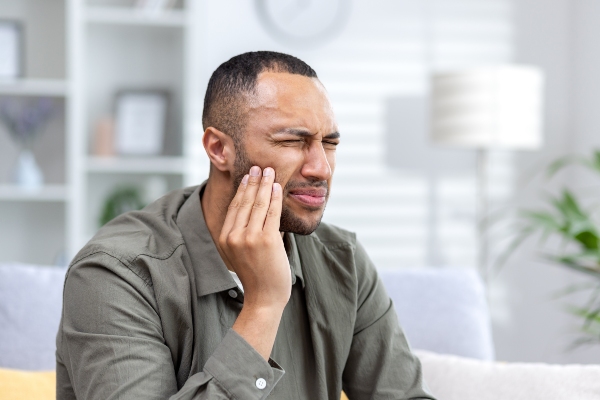
 Could bruxism be a temporomandibular joint (TMJ) disorder? This condition is the subconscious or involuntary grinding of teeth. Bruxism often occurs at night or during stressful situations. It can happen whether you are awake or asleep. Finding out if bruxism could be a TMJ issue can get you the help you need.
The basics of bruxism
Research reveals that constant teeth grinding can put extra stress on the jaws and teeth. This habit leads to jaw pain and dental damage. Children, teens, and young adults tend to grind their teeth. Individuals like them may develop the following symptoms:
- Pain while eating
- Facial pain in the morning
- Earaches
- Headaches in the morning
- Ringing in the ears (tinnitus)
- Difficulty closing and opening the mouth
- Sore jaw muscles
TMJ disorder and teeth grinding
Research reveals that bruxism or teeth grinding is not a TMJ disorder. But these two conditions have a close connection. Frequent jaw clenching or teeth grinding does not need treatment. Even so, a severe case can have a negative effect on jaw and teeth health. Bruxism is often linked to temporomandibular joint disorder (TMD). Teeth grinding and TMD are often present together in many patients.
The general dentist explains that teeth grinding can lead to TMJ disorder. It can lead to jaw misalignment, which causes the TMJ to malfunction. Bruxism is known to overload the jaw joint. Overloading the TMJ with stress leads to persistent pain.
These two conditions can stand alone. One does not have anything to do with the other. Even so, it is important to understand that many bruxism patients have TMD. An experienced provider can create an effective and targeted treatment plan for them. The plan’s goals are:
- To relieve TMJ pain
- To address dental damage
- To improve the patient’s bite
Teeth grinding contributes to TMD
People who have bruxism may or may not develop TMD. But in some cases, teeth grinding can lead to TMJ disorder. Studies show that longstanding bruxism can change a person’s bite. The activity can push the teeth away from their original positions. Teeth grinding can also damage dental restorations and natural teeth, which results in bite misalignment. This condition can result in TMD.
Manage bruxism and prevent TMJ disorder
The general dentist recommends managing or treating bruxism to prevent TMD. Wearing a bite splint during the day relieves the damage from teeth grinding. This dental device can prevent unwanted movements in the jaw and teeth. A custom-fitted night guard can protect the teeth from damage while sleeping at night. Reducing anxiety and stress can also improve the patient’s condition. Relaxing the jaw during the day can also help.
Teeth grinding is not a TMJ disorder
Bruxism is independent of jaw joint problems. Although both can cause pain, they are not the same. But severe and persistent teeth grinding can misalign the bite over time. This condition can lead to a TMJ disorder. Research reveals that managing bruxism can help prevent TMD. Working with your general dentist can help you regain a better quality of life.
Request an appointment or call Elliott Ostro, DMD at 212-847-3833 for an appointment in our New York office.
Related Posts
Temporomandibular joint (TMJ) disorders can be the result of stress, as it can trigger muscle tension that can lead to bruxism, commonly called teeth grinding. Grinding teeth puts additional strain on your TMJ, leading to symptoms like an aching jaw, a clicking jaw, or difficulty closing or opening the mouth. TMJ disorders can also be…
Research reveals that your TMJ attaches the lower jaw to the skull. There is so much relying on the health of this joint. Even so, many factors lead to ailments affecting it. Understanding jaw joint disorders can help you maintain a healthy TMJ.TMJ dysfunction or TMD is a condition that causes pain in the jaw…
Temporomandibular joint (TMJ) disorders can interrupt your daily activities. This condition can prevent you from performing oral functions with ease. You can call your dentist about your symptoms. Knowing how your general dentist can help you with your TMJ disorder symptoms can motivate you to schedule a visit soon.Diagnosing and treating TMJ disorders is part…

