Gum Disease Treatment Options: From Deep Cleanings to Advanced Therapies
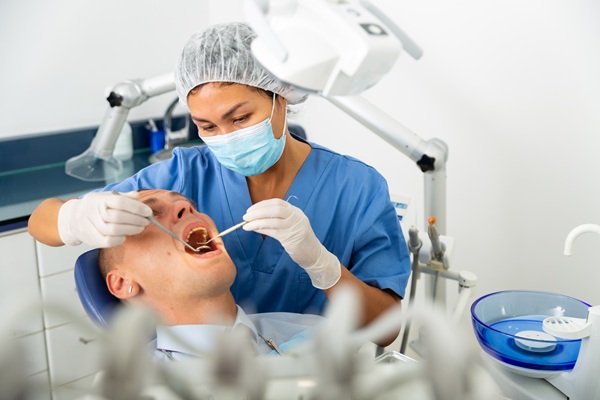
Gum disease treatment is an important part of preserving your oral health. It fights infections and prevents damage to teeth and supporting tissues. Gum disease can range from mild inflammation to severe tissue and bone loss, requiring different levels of professional dental care. Modern dentistry offers solutions from conservative deep teeth cleanings to advanced surgeries and regenerative therapies to restore your oral health.
The progression of gum disease
Gum disease typically begins as gingivitis, marked by redness, swelling, and bleeding gums. At this stage, the condition is reversible with proper professional care and improved oral hygiene practices. When left untreated, gingivitis may progress to periodontitis, in which bacteria penetrate deeper beneath the gum line. This advanced stage can lead to more severe symptoms, such as:
- Bad breath
- Gum recession
- Loose teeth
- Bone loss
- Tooth loss
This advanced stage of periodontal disease is irreversible, making timely gum disease treatment essential once the first signs of gingivitis appear.
Common gum disease treatment options
Deep cleanings: scaling and root planing
One of the most common non-surgical treatment options for gum disease is scaling and root planing. This deep-cleaning procedure is when the dentist removes plaque and tartar buildup below the gum line. Then, they smooth the tooth roots to discourage bacteria from reattaching to the bone and gum tissue.
Scaling and root planing help reduce inflammation and encourage the gums to heal. It prevents further progression of periodontal disease and can even reverse the initial damage caused by gingivitis. For many patients with early to moderate periodontitis, this approach provides effective disease control without the need for surgery.
Medications and antimicrobial therapy
In certain cases, deep cleanings are combined with medications to improve the patient's long-term treatment outcomes. Antimicrobial mouth rinses, localized antibiotic gels, or oral medications may be used to reduce bacterial infection. These therapies support the natural healing process by targeting harmful microorganisms that contribute to gum inflammation. As part of a comprehensive gum disease treatment plan, medications can improve the patient's long-term oral stability when used alongside regular and deep dental cleanings.
Surgical treatment options
In cases of advanced periodontal disease, the patient may need to undergo surgical intervention. For example, flap surgery allows dental professionals to access deeper pockets, remove bacteria, and reshape damaged bone. In situations involving significant tissue loss, the dentist may recommend gum grafts to cover exposed roots and protect remaining structures. These surgical gum disease treatment options help control infection and restore healthier teeth and gums.
Regenerative and advanced therapies
In recent years, some dentists have begun using regenerative techniques to rebuild lost bone and tissue. They may offer bone grafts, tissue regeneration, and biologic materials that encourage natural healing and structural support. Laser therapy is another approach that targets diseased tissue while minimizing the patient's discomfort and recovery time. These innovative solutions represent the evolving future of gum disease treatment.
Learn more about Elliott Ostro, DMD's gum disease treatment options
Effective gum disease treatment depends on early diagnosis, professional care, and the best available treatment method. Elliott Ostro, DMD provides a variety of treatment options to help you manage gum disease and restore your oral health. Call our New York office to learn more or to schedule a consultation.
Request an appointment here: https://elliottostrodmd.com or call Elliott Ostro, DMD at (212) 847-3833 for an appointment in our New York office.
Check out what others are saying about our dental services on Yelp: Gum Disease Treatment in New York, NY.
Related Posts
Smile makeover treatment can help patients feel more confident before an important life event such as a wedding, graduation, vacation, reunion, or professional milestone. Whether the goal involves brightening the teeth, correcting minor imperfections, or completely transforming the smile, planning ahead allows enough time to achieve the desired results. As a cosmetic dentist, creating a…
Dentures and dental implants are two of the most popular options when replacing missing teeth. While both options have pros and cons, the choice ultimately depends on the individual's needs and preferences. This post will explore the differences between dentures and dental implants and how they can be combined.Dentures are removable prosthetic devices that one…
Finding out that you need a root canal does not have to be terrible news. In truth, tales of discomfort from root canals are highly exaggerated. Many find them no more uncomfortable than having a cavity filled. Preparation can also make the whole procedure (and recovery process) go more smoothly. Check out our tips to…
Dentures are a popular replacement for people of all ages; however, they have become increasingly advanced in recent years. Each type of implant comes with its own set of advantages and components. This article aims to answer any questions about the market's three types of available dentures.Partial dentures are a type of dental prosthesis dentists…

