How Emergency Dentists Perform a Root Canal Retreatment
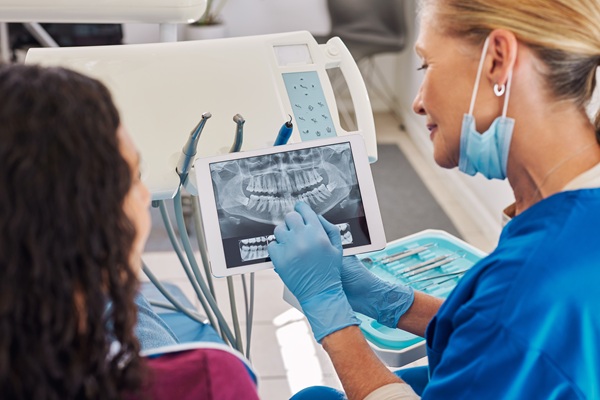
If severe tooth pain returns after a previous root canal, an emergency dentist may recommend root canal retreatment to eliminate the infection and restore long-term dental health. While an initial endodontic procedure has a high success rate, complications can arise years later that require professional intervention. By choosing an emergency dentist, you can find immediate relief from the pressure and swelling associated with a failing root canal.
Common reasons for root canal retreatment
A primary root canal procedure involves the removal of infected pulp to seal the internal canal system. However, bacteria can occasionally re-enter the space or remain hidden in the canals. An emergency dentist will need to evaluate the tooth to determine if the previous seal was compromised or if new decay has reached the roots.
Factors that necessitate a secondary procedure include:
- Complex or curved root anatomy that was not fully cleaned
- Delayed placement of a permanent crown or protective restoration
- A fracture or breakdown of the original dental filling or crown
- New tooth decay that exposes the internal filling material
- Calculated risks from hidden canals that went undetected
- Salivary contamination during the original treatment process
When an infection returns or continues, a secondary treatment is the only way to save the natural tooth structure and prevent the need for tooth extraction.
How emergency dentists perform root canal retreatments
Diagnostic protocols
Before the procedure begins, the emergency dental team performs a thorough assessment to map the internal structure of the tooth. Digital X-rays or 3-D imaging allow the provider to detect bone loss or infection near the root tip that is not visible to the naked eye. The emergency dentist also examines the structure of the existing crown and the health of the surrounding gum tissue. This evaluation ensures that the tooth is eligible for retreatment rather than an emergency extraction.
Accessing and disinfecting the root canal system
The process begins by removing the existing crown or filling to gain access to the interior of the tooth. The emergency dentist carefully extracts the original filling materials, such as gutta-percha and sealant, to expose the root canal system. Once the canals are clear, the dentist uses antibacterial solutions to flush out debris and microorganisms. If the provider discovers hidden branches or untreated canals, they can reshape the areas and sterilize them to prevent further infection.
Sealing the tooth and restoring function
Once the internal chambers are fully disinfected, the dentist fills the canals with a biocompatible material to prevent future bacterial ingress. A temporary or permanent seal is applied to protect the internal structure from the oral environment. In most cases, the patient will need a new, durable crown to provide the strength necessary for everyday function, acting as a final barrier against contamination and reinforcing the weakened tooth.
Save your tooth with a root canal retreatment
A successful root canal retreatment by an emergency dentist can extend the life of a natural tooth for years to come. If you are experiencing discomfort after a root canal, the Elliott Ostro, DMD team is here to help. Reach out to our New York office today to schedule an appointment and get the relief you need.
Request an appointment here: https://elliottostrodmd.com or call Elliott Ostro, DMD at (212) 847-3833 for an appointment in our New York office.
Check out what others are saying about our dental services on Yelp: Emergency Dentist in New York, NY.
Related Posts
Considering dental crowns? Read on to learn more about this restoration option. Dental crowns can address a number of issues, ranging from cavity treatment to stain coverage. However, despite being a common and successful treatment, there are a few factors to consider ahead of time.Below is a quick rundown of what to know before getting…
Are you ready to brighten your smile? If so, a professional teeth whitening procedure may be an effective treatment. This post will explain what to expect during a teeth whitening appointment, how to prepare for it, and how to maintain long-lasting results.Before beginning the teeth whitening procedure, the patient must help prepare the mouth for…
When it comes to dental treatments, root canal therapy is known to be intimidating and painful. However, this procedure is an essential dental treatment that can save your natural teeth from extraction and alleviate extreme pain caused by infected or damaged tooth pulp. The following blog will explore the benefits of root canal therapy and…
Dental crowns and dental bridges are two common dental procedures to restore damaged or missing teeth. Both procedures have unique benefits and drawbacks; choosing between them will depend on your needs and goals. This article will discuss the differences between dental crowns and dental bridges and help you understand how we choose which procedure is…

